Home

Contact Travex Travels

...

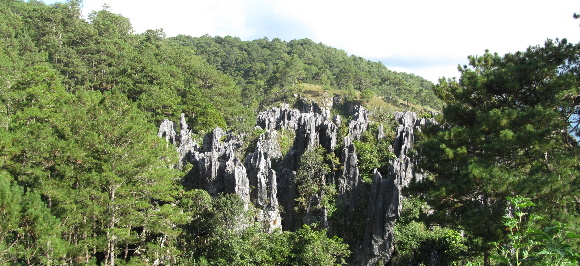
NATURE UNLTD IN SAGADA

Trekking. Hiking. Spelunking. Food. That's Sagada.

WIND AND MORE IN ILOCOS

Life is a wind. Get that in Ilocos Region.

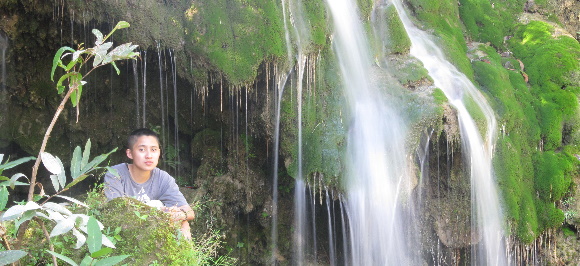
BOLINAO FALLS

If you think golden sand beaches are the only tourist spots, think again. Bolinao is falls too.

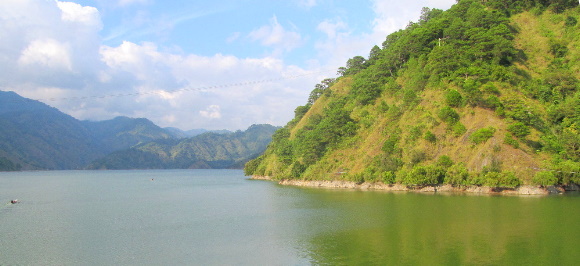
AMBUKLAO WATER RESERVOIR

If you just want to see a sky-mountain-lake landscape, then head to Bokod, Benguet.

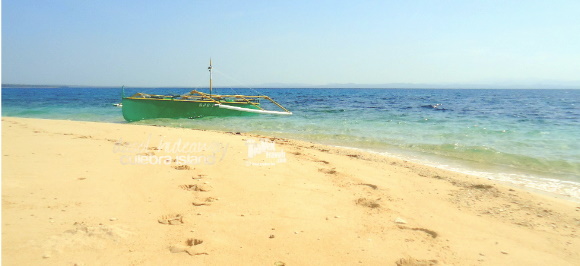
DASOL HIDEAWAY

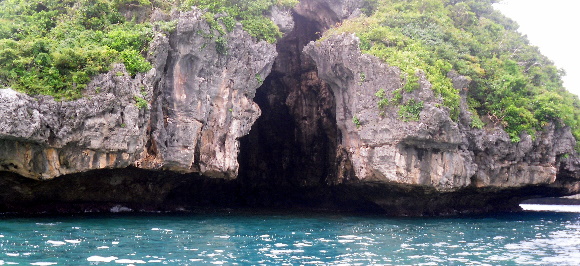
In this simple town of Dasol, Pangasinan lies an unspoiled island paradise sprinkled with white sands and a total half of mysteriously formed rock formations.

HUNDRED ISLANDS, PANGASINAN

The Hundred Islands in Alaminos, Pangasinan is one of the many tourist attractions in Luzon Island. Give yourself a summer treat; enjoy island hopping, kayaking, swimming, and snorkeling.

Showing posts with label before 1800s. Show all posts

Thursday, August 4

Short Stop at Tuguegarao Cathedral in Cagayan

Related Searches:
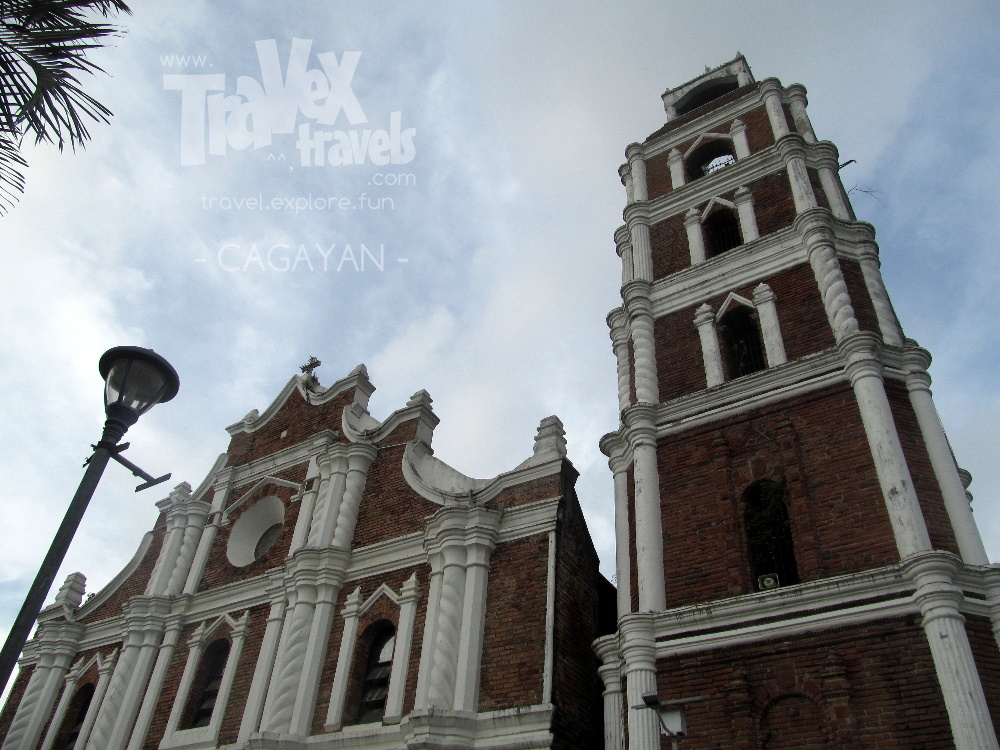
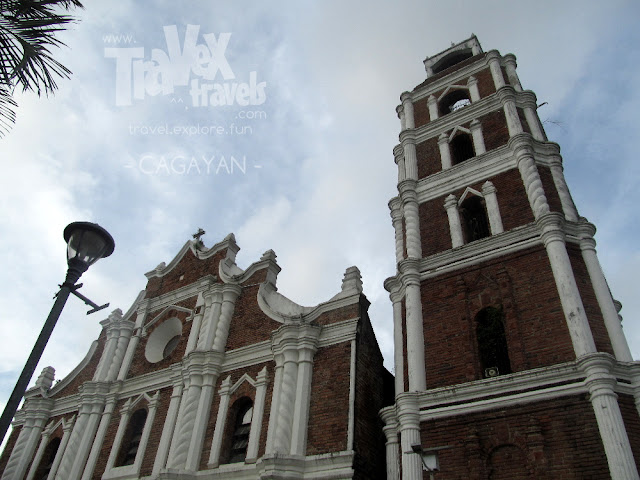
Saint Peter Metropolitan Church in Tuguegarao or simply Tuguegarao Cathedral
It was Amihan season when I decided to join my officemate who hailed from the capital city of Cagayan in his journey back home. He told me that he seldom visits his hometown Tuguegarao because well, the distance from Manila to Tuguegarao is hundreds and hundreds of kilometers. Since I do not have much to do in Tarlac for the Christmas season, I joined him in his trip back to Cagayan. It was Callao Cave back then that I really want to visit and of course, the ever famous flavors of pansit batil patung.

Is the article interesting? Useful? Funny? Inspiring? Or simply worthy? Then . Read, read, and lead! More related posts below.


Tuesday, October 8

Ride Our Way to Calle Crisologo, A Spanish Street in Vigan


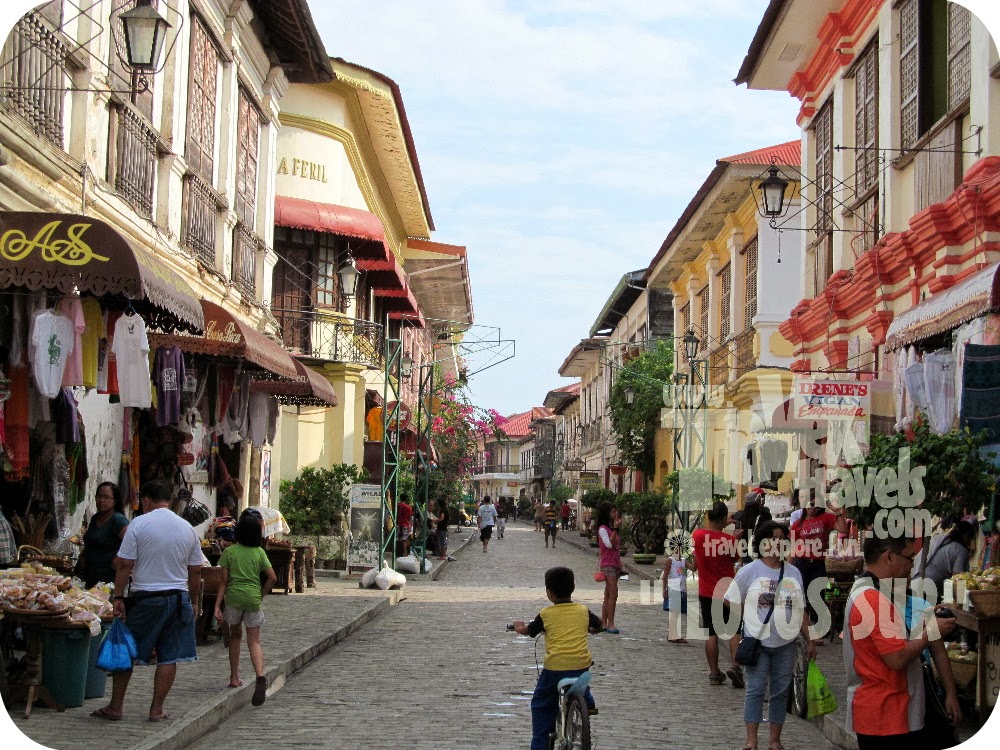
Calle Crisologo is the main attraction in Vigan City.

One of the must see historical landmarks is the Bantay Church and Belfry. One of the must try activities is touring Vigan City on a kalesa. But then your Vigan City tour will never be complete unless you visit the most popular historical landmark where old ancestral houses and century old structures rest. This is also where you can buy pasalubong and souvenirs. It’s no other than a Spanish street under the ancient title “Calle Crisologo”.

Bantay Church and the Belfry: Reminiscent Structures of Ilocos


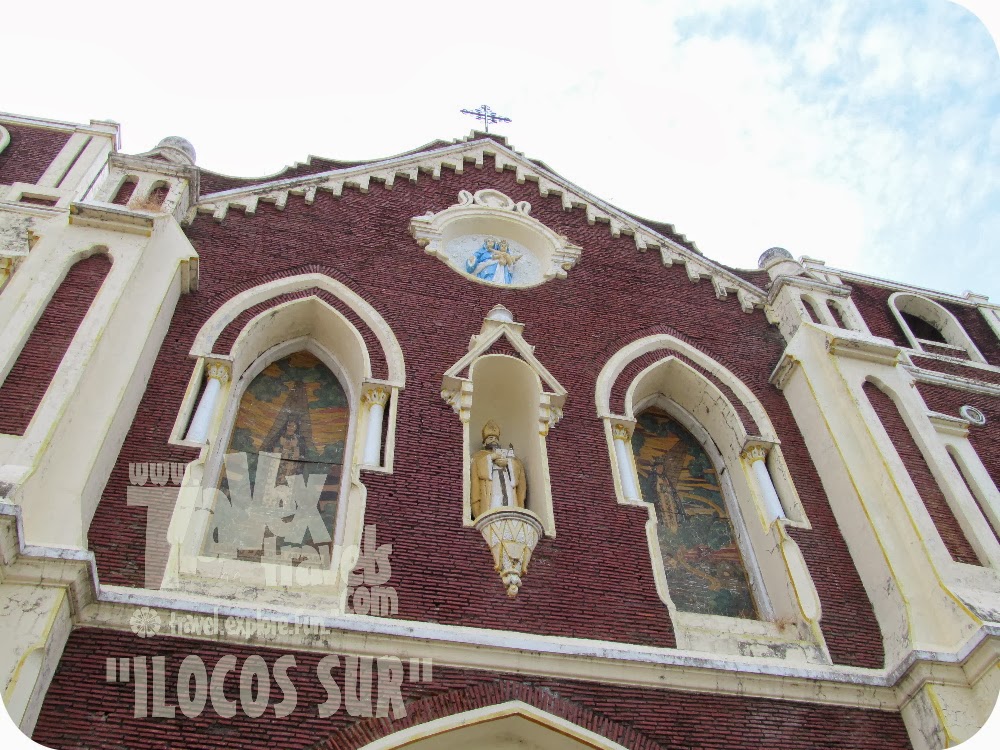
Bantay Church in Vigan, Ilocos Sur.

When you hear the place “Vigan”, your mind automatically thinks of a place where old structures rest. Pieces of jigsaw are likened to the deep-rooted buildings and towers of this northern city which make up a heritage site. One reason of visiting Vigan City is to see its antique structures, such as the St. Augustine Church in Bantay District (or simply Bantay Church) and its famous Bantay Belfry. Who will forget a scenic bell tower that rose from a hilly part in Vigan?

Saturday, October 5

A Kalesa Ride to the Past of Vigan


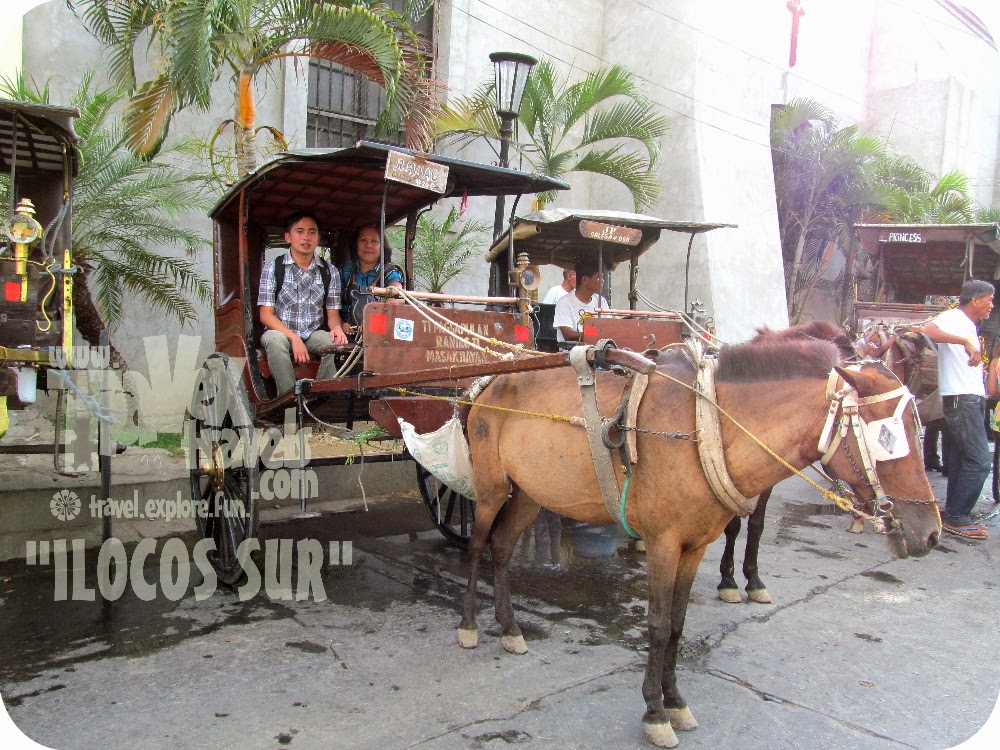
Kalesa in Vigan, Ilocos Sur

Vigan is never Vigan without a kalesa ride. A “kalesa” is a horse-drawn carriage and is an old mode of transportation. Kalesas are mixed with the present transport modes as tricycles and jeepneys. While it is not the main mode of moving from one place to another, the government of Vigan has preserved this type for tourists who want to experience a plain ride to the past of the city.

Saturday, September 28

Vigan Cathedral: Another Church Story


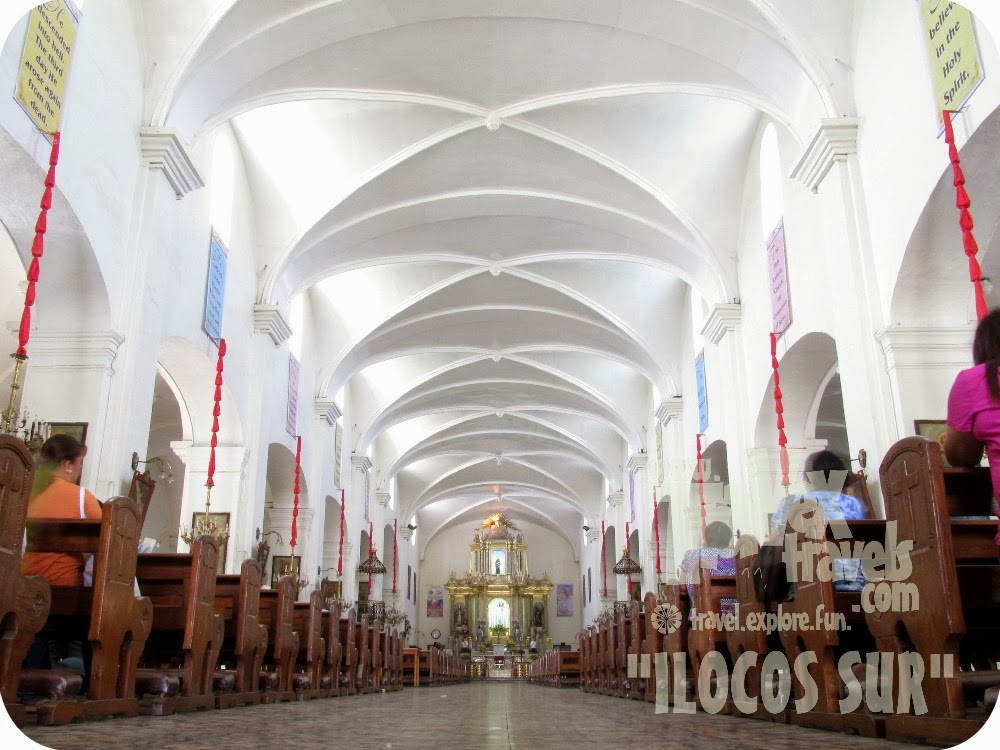
Inside the Cathedral of Vigan, Ilocos Sur.

And so a few steps from Plaza Salcedo is one of the older churches in Ilocos Region—the Vigan Cathedral (St. Paul's Metropolitan Cathedral). I eagerly checked the church out because we did not have so much time to explore the city. Besides, I wasn’t able to recall already what it was like when I was still young. I once visited this church more than 10 years ago, and another visit about six years ago and all I remember was, it was just a part of the itinerary. Missing the church is a big mistake as it is in the center of the heritage city.

Thursday, October 4

Fort San Pedro: Another Cebu Historical Attraction

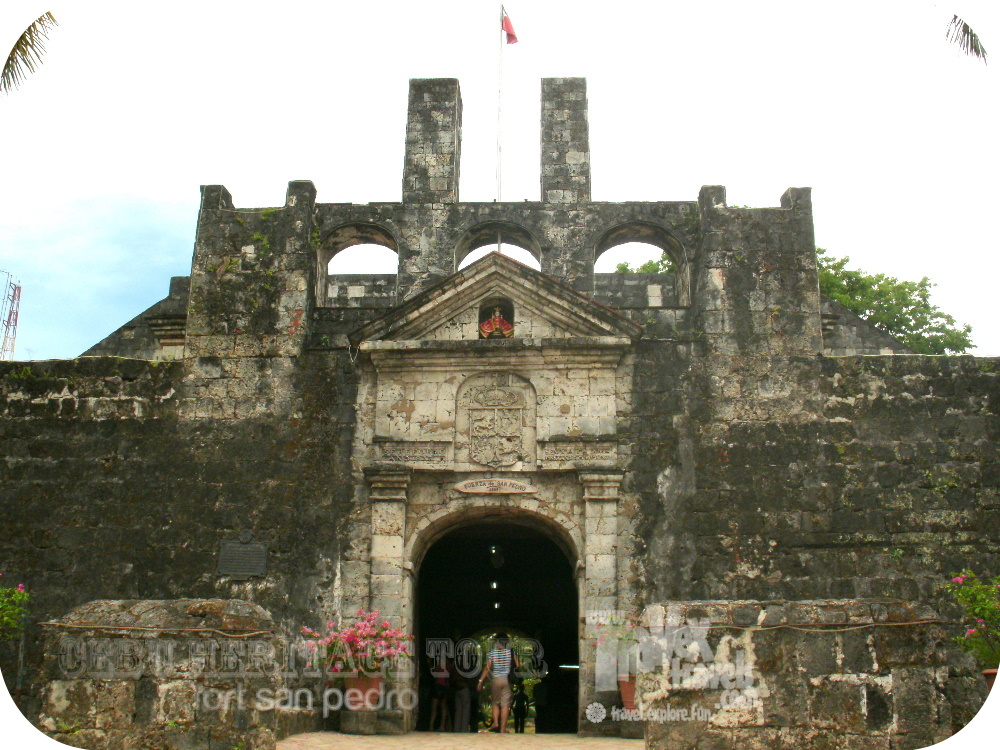
Facade of Fort San Pedro, another historical tourist spot in Cebu City.

Being the smallest triangular and oldest fort in the Philippines, Fort San Pedro in Cebu City is another historical attraction that heritage tourists may want to check out. Fort San Pedro in Cebu was constructed under the command of Miguel Lopez de Legazpi though the exact date of construction the stone fort was never identified. This triangular piece of history faces both land and sea and the main purpose of the structure was mainly for defense, as evidenced by its still existing centuries-old cannon. Now, Fort San Pedro can be your next tourist spot for your heritage walk tour in Cebu City.

Sunday, September 30

Magellan’s Cross: Cebu City Living Legend


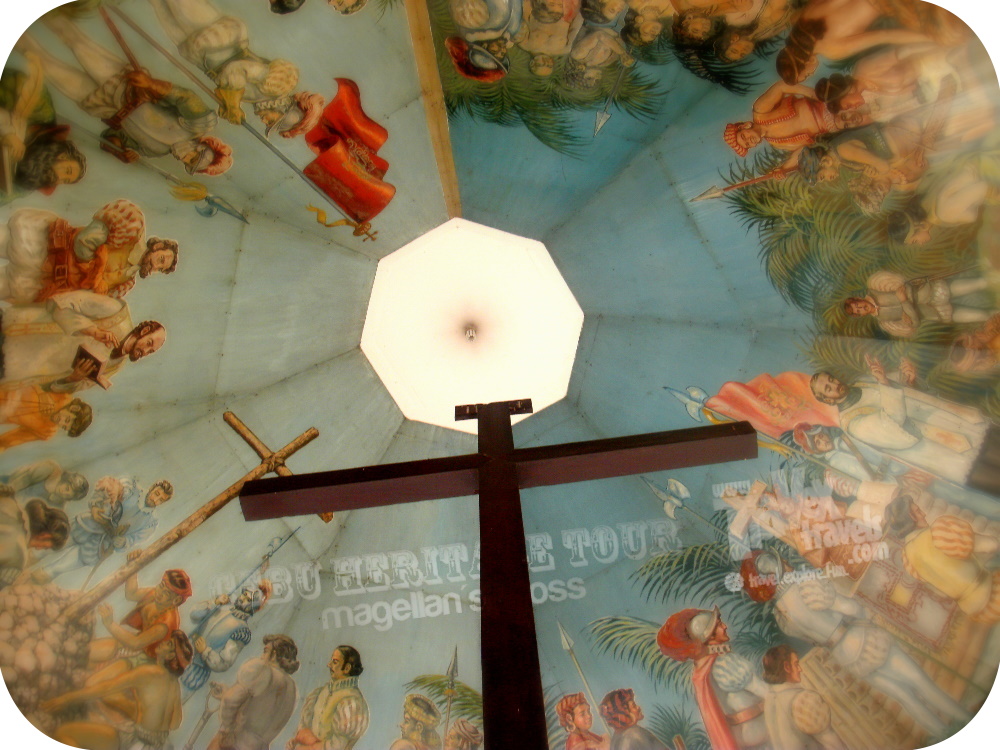
The Magellan's Cross in Cebu City serves as a symbol of how Christianity started in the Philippine Islands.

It was back on April 21, 1521 when a European explorer under the name of Fernando Magallanes, or Ferdinand Magellan from Portugal (but working under the monarchy of Spain) landed on the rich island of Cebu. He actually met and befriended the native chief, Raja Humabon that time. Both of them went well, and as a matter of fact, Raja Humabon accepted Christianity and let him and his men be baptized. As a sign of this significant event in the history of Cebu, Ferdinand Magellan planted a cross as an insignia of the spread of Christianity on the island. Now, this cross known as the “Magellan’s Cross” is a key tourist destination in Cebu.

Wednesday, September 19

Basilica of Sto. Nino | Photos

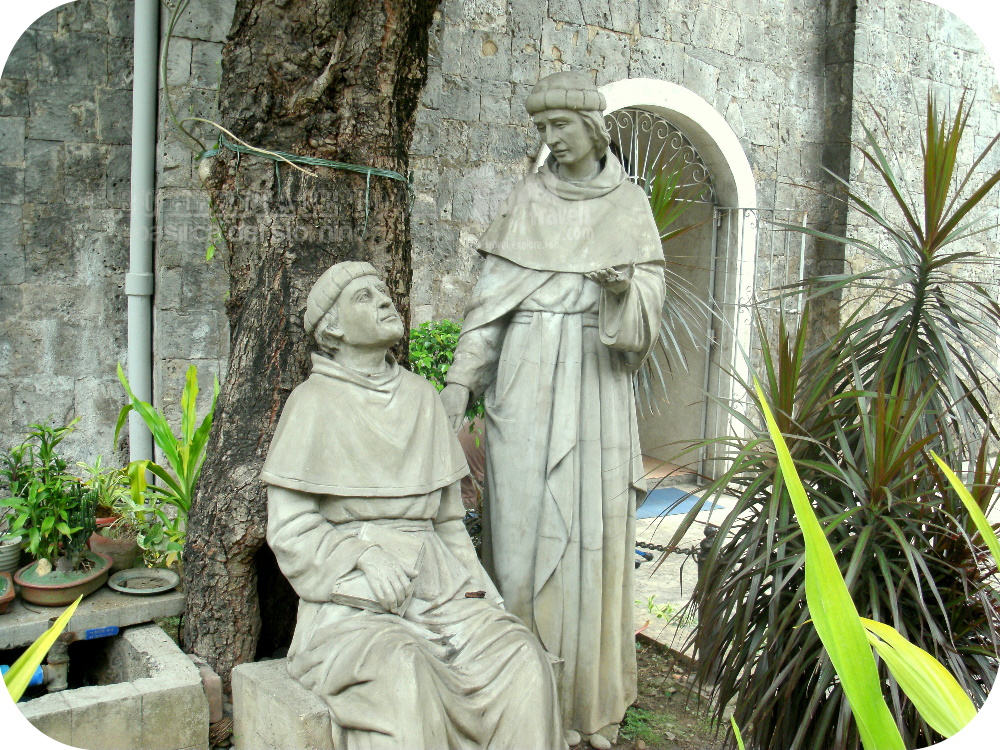
Life size statues inside the Basilica of Sto. Nino in Cebu
Here are other pictures of Basilica of Sto. Nino in Cebu:

Friday, September 14

Metropolitan Cathedral of Cebu | Pictures

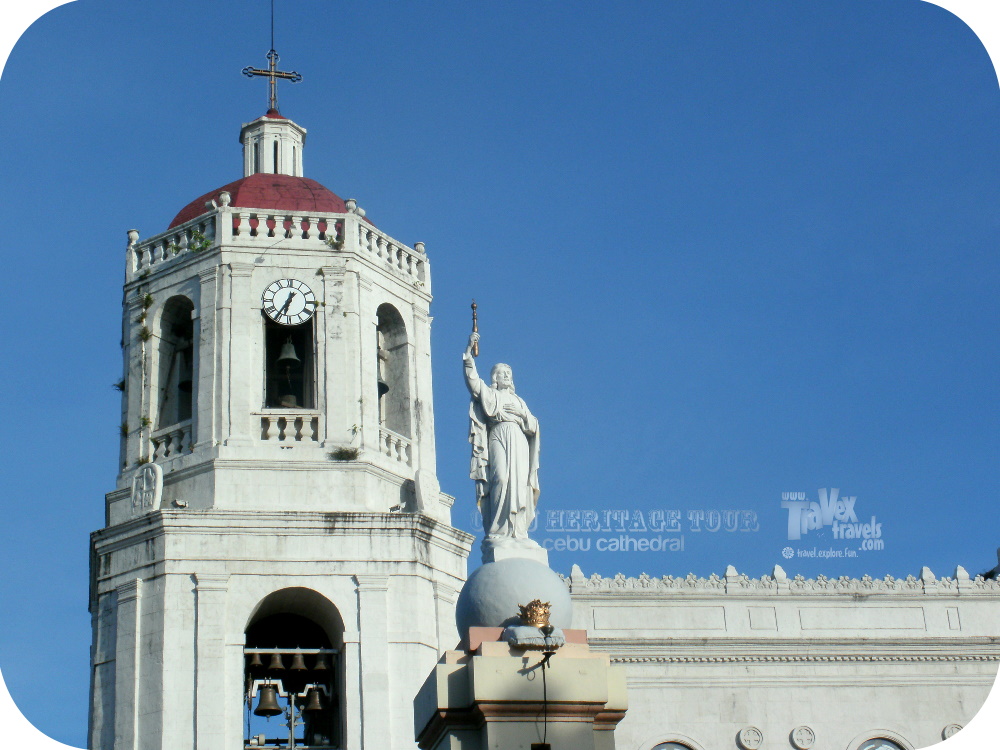
Cebu Metropolitan Cathedral, Cebu City
Here are other photos of the Cebu Metropolitan Cathedral in Cebu City, Philippines:

Thursday, September 13

Basilica del Sto. Nino: Cebu Church Legacy

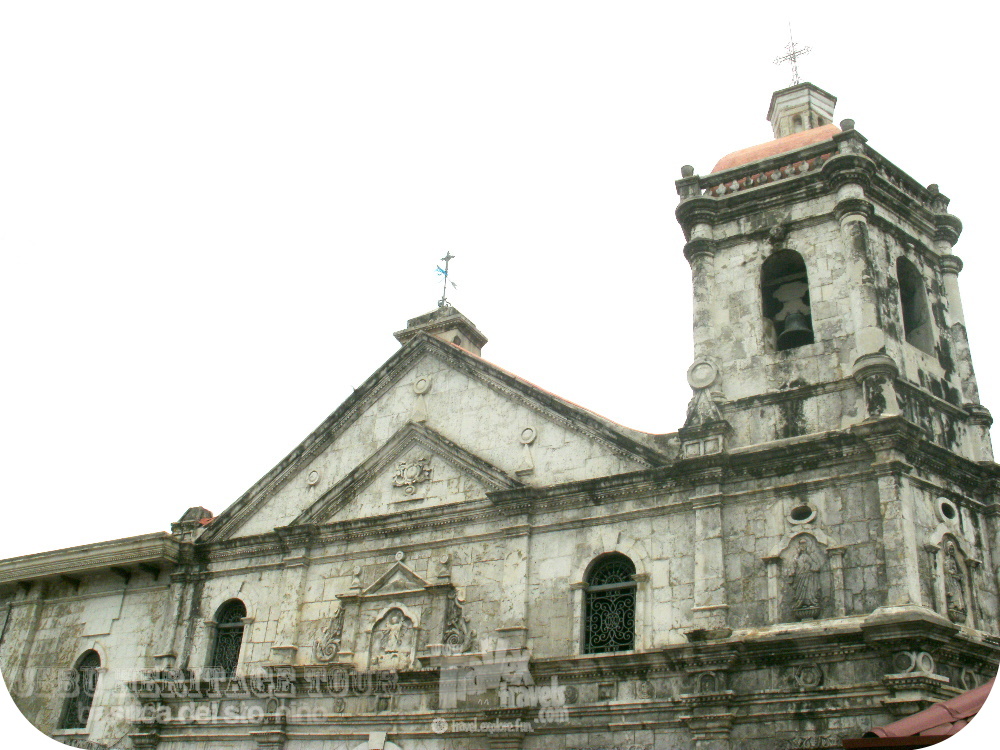
Basilica del Sto. Nino, another Cebu church, is indeed one of the must-see historical tourist attractions in Cebu. 

The Basilica Minore del Sto. Nino of Cebu is a church and convent located just across one block from Cebu Cathedral and another famous Cebu tourist spot, the Magellan’s Cross. It was said to be built according to the urban plans by Legaspi to allocate a piece of land where a church must be constructed on that lot where the relic of Sto. Nino was found. The image of Sto. Nino was a sculpture being the Holy Child Jesus, discovered and preserved inside a wooden box by Spanish expeditors where it was left behind after some years. Now, Basilica del Sto. Nino in Cebu City drives in flocks of devotees and tourists who faithfully believe in the miracles and power of Sto. Nino.

Tuesday, September 11

Cebu Cathedral: A Piece of Inheritance

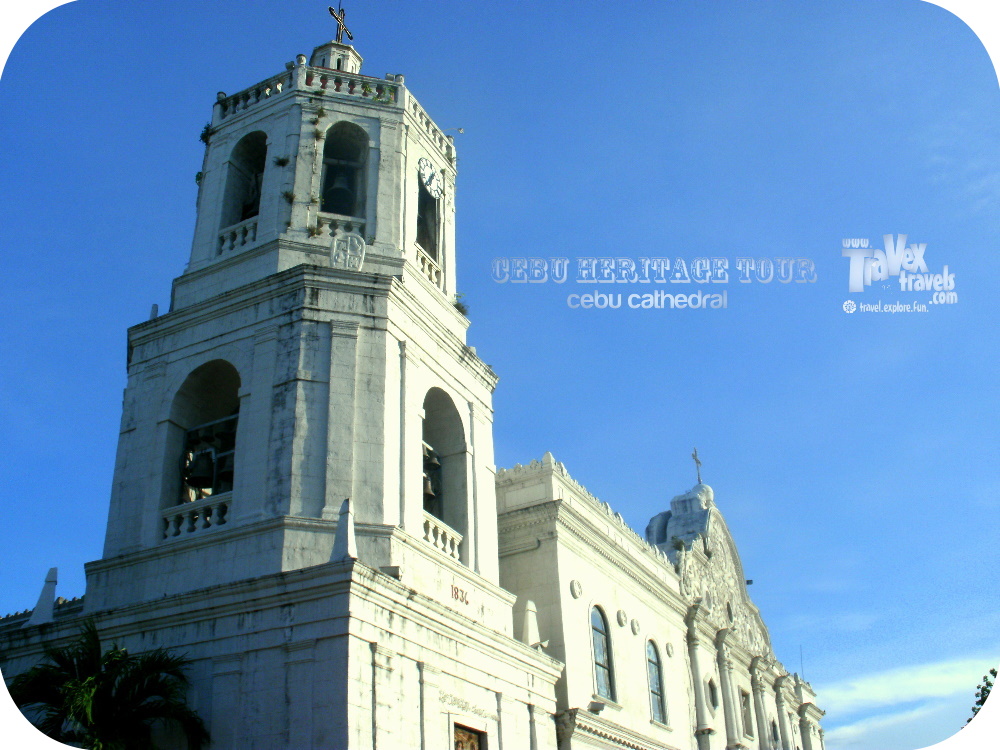
Cebu Cathedral in Cebu City is indeed a piece of inheritance devoted to the Cebuanos.

The Cebu Metropolitan Cathedral in Cebu City is one of the many historical landmarks that tourists can visit in this rich province of Cebu in the Central Philippines. Not only does it serve as a tourist spot for travelers and visitors, it also serves as a great worship place for Christians who are solely devoted to their religiousness. Cebu Cathedral is also a piece of inheritance from the past, as it had undergone a series of construction-reconstruction phases from bishops and leaders over their inductive-deductive reasons to build the church near the Parian district of Cebu City.

Wednesday, August 8

Yap-Sandiego Old Cebu House | Photos

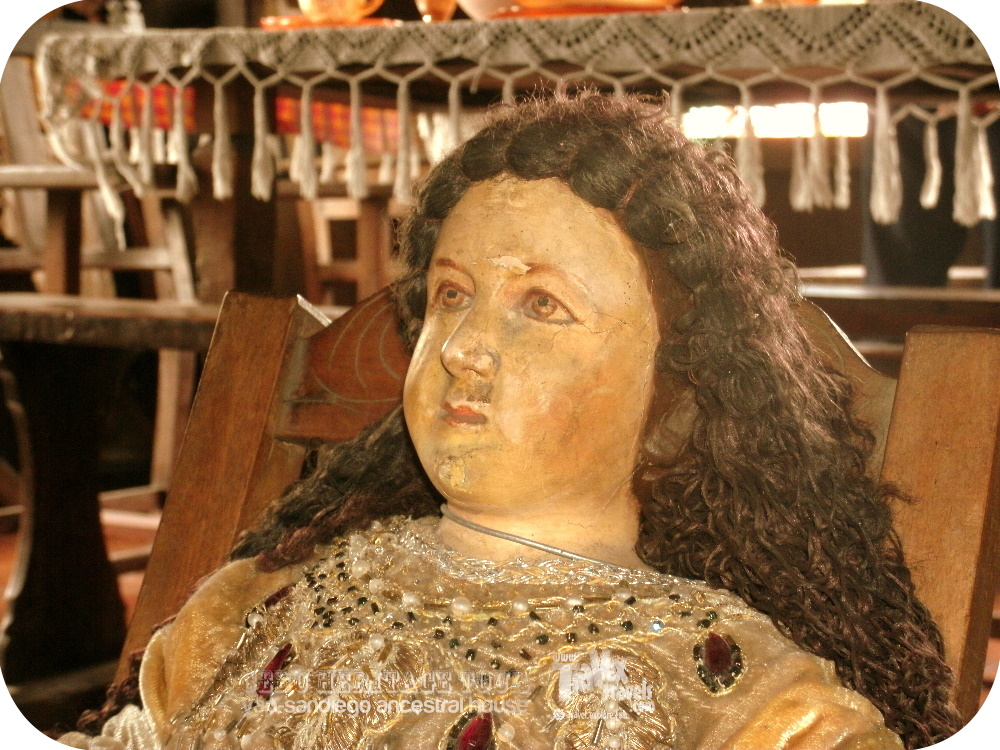
Religious icon inside Yap-Sandiego Ancestral House in Cebu City.
Here are other photos of Yap-Sandiego Ancestral House in Cebu, Philippines:

Friday, August 3

Yap-Sandiego Ancestral House in Cebu City (A Home in the 1600s)

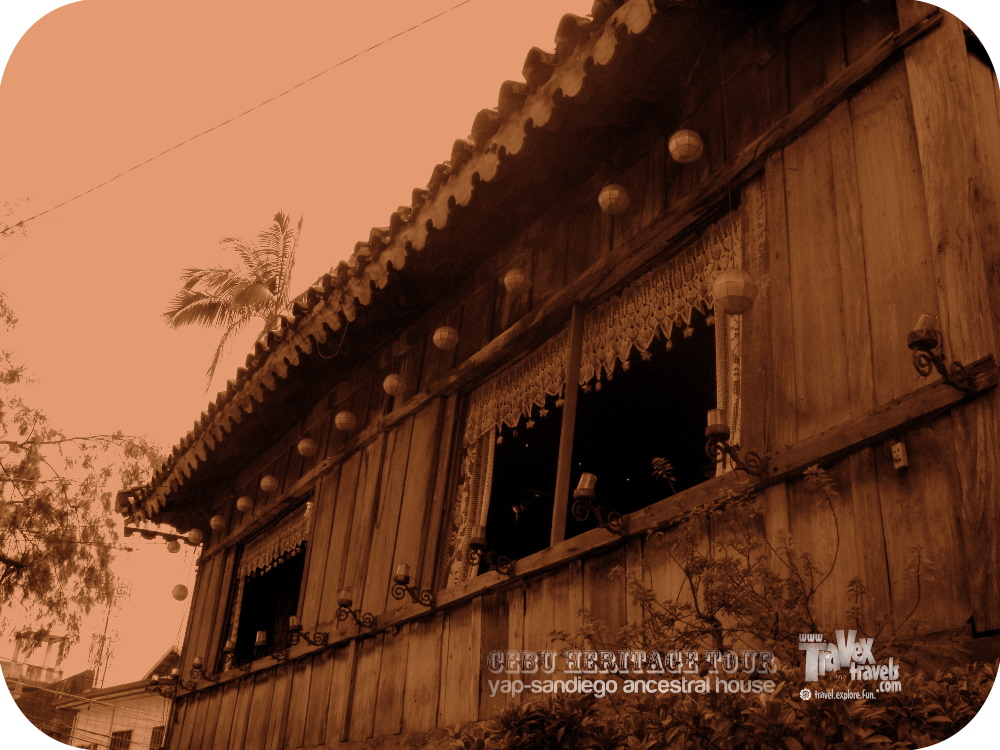
An abode in the late 17th century (1600s), the Yap-Sandiego Ancestral House in Cebu City is a must visit heritage site.

The Yap-Sandiego Ancestral House in Parian District of Cebu City is one of the oldest existing structural residential houses in the Philippines. It was constructed out of coral stones and woods, by a family of Chinese merchants sometime in the late 17th century. History tells that Parian was a busy barangay and the community houses were commonly designed with a second storey. To date, this “Balay nga Bato ug Kahoy” (house of wood and stones) stands still despite wrecks and fate of time at the corner of Mabini and Lopez-Jaena streets in Cebu City.